Complete Food Packaging Line Solutions: Why Food Processors are Moving Beyond Standalone Machines
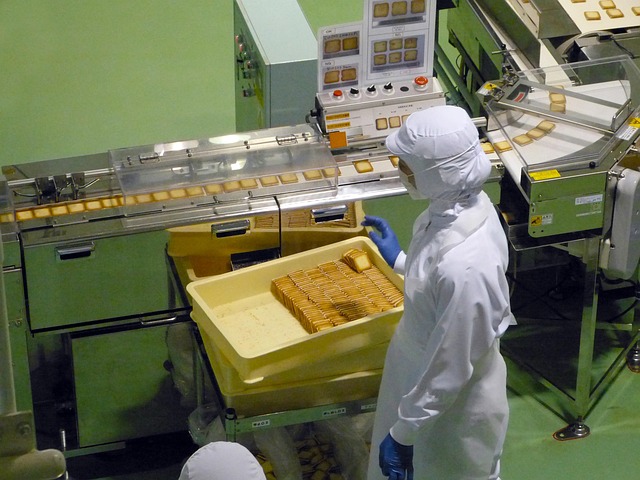
Food processors are fundamentally altering their production strategies by shifting away from standalone machinery in favor of fully integrated packaging lines. As the global automated packaging solutions market faces rapid expansion—driven heavily by persistent labor shortages and tightening regulatory standards—industry data reveals that relying on isolated equipment creates critical operational vulnerabilities.
While purchasing a standalone machine often provides a quick fix for an immediate bottleneck, expanding production quickly exposes the limitations of unlinked systems. Disjointed machinery frequently demands manual feeding, product transfer, inspection, and secondary handling. For facilities managing fresh meat, poultry, seafood, dairy, or ready meals, these manual touchpoints introduce significant margins for human error, compromise food safety protocols, and restrict overall plant capacity.
The Value of a Synchronized Ecosystem
A complete packaging line solution resolves these inefficiencies by linking product loading, primary packaging, inspection, labeling, and final discharge into a unified, continuous process. At the heart of these modern setups are advanced thermoforming and tray-sealing platforms. Rather than operating in a vacuum, these core systems seamlessly interface with upstream and downstream automation.
By integrating automated loading mechanisms, robotic pick-and-place units, inline vision inspection, metal detection, and automatic checkweighing, processors ensure a smoother production flow. This tight synchronization eliminates instances where high-speed machinery sits idle waiting for manual steps to catch up, optimizing overall equipment effectiveness.
Streamlining Procurement and Long-Term Operations
The benefits of line integration extend far beyond the factory floor. For procurement and engineering teams, partnering with a single source for an entire line dramatically simplifies project planning. It reduces communication overhead, shortens decision-making timelines, and eliminates the technical friction and equipment mismatch common when sourcing individual components from multiple competing vendors.
Furthermore, a single-source integrated line brings accountability to long-term maintenance. When technical challenges arise, operators have a single point of contact for troubleshooting. This centralized support minimizes costly downtime, which represents one of the highest hidden expenses in modern food manufacturing.
Engineering for Material Adaptability
Modern integrated lines also offer the adaptability required to navigate shifting market demands and environmental standards. Advanced tray-sealing and thermoforming solutions are engineered to handle a diverse range of materials—including traditional plastics, paperboard, aluminum, and compostable alternatives—with minimal mechanical disruption.
By transitioning toward comprehensive packaging line solutions, food processors can build more manageable, predictable, and scalable operations. This systemic approach to automation allows manufacturers to maintain product integrity, uphold strict compliance standards, and protect their long-term market competitiveness.
Source: Packaging World Insights




 Firefox
 Chrome
 Safari
 QQ
QQ Edge
Edge